


Beyond City Limits: How 2025 Elections Reshape Black Political Power Across Dayton MSA

Updated: Nov 17, 2025

The 2025 election cycle delivered historic change to Dayton's political landscape, but the story extends far beyond downtown's Third and Main intersection. Across the eight-county metropolitan area, from Trotwood's predominantly Black west side to Beavercreek's government worker suburbs, the results reveal both progress and persistent inequality for African American communities.
Historic Shift at City Hall

Shenise Turner-Sloss made history by defeating incumbent Mayor Jeffrey Mims Jr. 52%-48%, marking the first time a sitting Dayton mayor has lost in over a decade. The 43-year-old Wright-Patterson Air Force Base logistics specialist becomes just the third woman to hold the office and continues as the third Black woman mayor, but her victory represents more than demographics. It signals generational and ideological shifts within Black political leadership itself.
The commission races told an equally complex story. Darryl Fairchild retained his seat with 29% while Darius Beckham, a 28-year-old former Mims aide, secured victory with 26%. This outcome maintains a divided commission despite Turner-Sloss and Fairchild having campaigned together as reformers. The intra-Black political division (both slates led by African Americans) raises critical questions about unity versus competing visions for community advancement.
Healthcare Justice: A Hard-Fought Victory

The passage of Issue 9 with 58% support represents a triumph of grassroots organizing over institutional skepticism. The 1-mill levy will generate $2 million annually for a decade toward building a public hospital in West Dayton, addressing the medical desert created when Good Samaritan Hospital closed in 2018. Led by the Clergy Community Coalition and Bishop Richard Cox, the campaign mobilized predominantly Black communities who have lived without adequate healthcare access for seven years.
Critics argue $2 million is insufficient for a facility costing $450 million to build and $500 million annually to operate. Yet supporters view the levy as seed money to leverage additional funding, echoing how the Dayton community raised $1 million in 1928 to help build the original Good Samaritan. The 11-person board forming in early 2026 will determine whether this becomes a model of community power or a cautionary tale.
Suburban Disparities Deepen
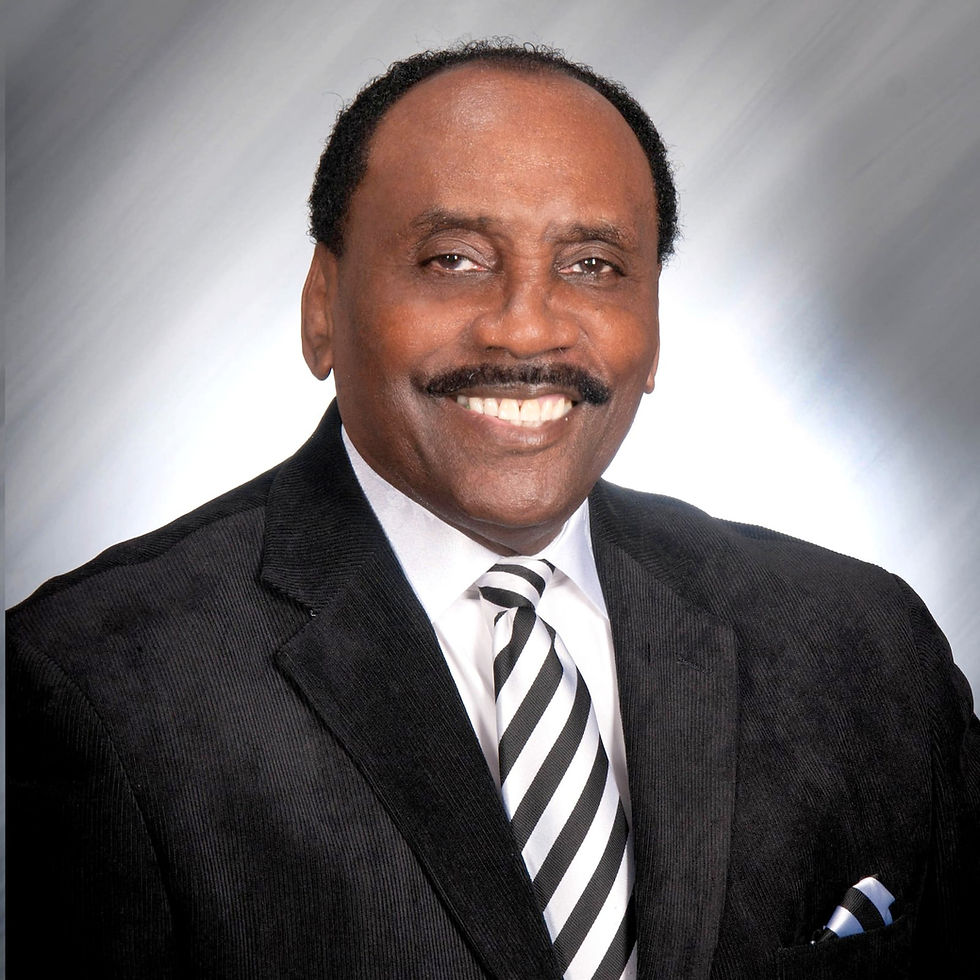

Beyond Dayton proper, the representation gap becomes stark. Trotwood saw Robert L. Kelley Jr. and Martha H. Clark win council seats in the predominantly African American community, but residents rejected a Jefferson Township school income tax by 60%, suggesting either tax fatigue or eroding confidence in struggling districts.
Meanwhile, predominantly white suburbs told different stories. Springboro passed a $115 million bond for new school facilities while Franklin and Jefferson Township schools face potential state takeover after voters rejected funding. Affluent southern communities invest in their futures while economically struggling areas—often with higher Black populations—spiral toward crisis.
Kettering, Huber Heights, and Beavercreek elections featured few if any African American candidates, despite these communities employing thousands of Black residents at Wright-Patterson, hospitals, and universities. The message is clear: African Americans work throughout the Miami Valley but remain largely excluded from suburban political power.
What's at Stake
The Dayton MSA's 800,000+ residents share interconnected fates regardless of municipal boundaries. Issue 9's success demonstrates what's possible when Black communities organize, but school funding failures reveal the consequences of segregated tax bases and unequal representation.
As Turner-Sloss takes office and Issue 9 implementation begins, the DWN's coverage must reflect this reality: "Dayton" isn't just the urban core—it's every community where African Americans live, work, vote, and fight for equitable access to opportunity. The 2025 elections show progress is possible, but regional equity remains unfinished business.


Comments